Kravica is one of the Balkans' most photographed waterfalls — and for good reason. The horseshoe cascade, travertine textures, and the emerald pool below all photograph well even in harsh light. But harsh light is exactly what most visitors encounter (because most tours arrive between 11:00 and 15:00). This guide covers when to go, where to stand, what to bring, and specific compositions that work.
Best time of day
For landscape photography, earlier is dramatically better. Ranked:
1. 07:30–09:00 — the park often isn't fully open to the public until 09:00 but if you arrive early (e.g. via the first scheduled tour from Mostar), you get golden morning light illuminating the cascade face and nearly no other visitors in the frame. If you can only choose one window, this is it.
2. 17:00–19:00 (August: 18:00–20:00) — the afternoon sun drops behind the cliff to the west, lighting the top of the cascade and leaving the pool in softer shadow. Visitor numbers drop sharply after 16:30. Good light, quiet pool.
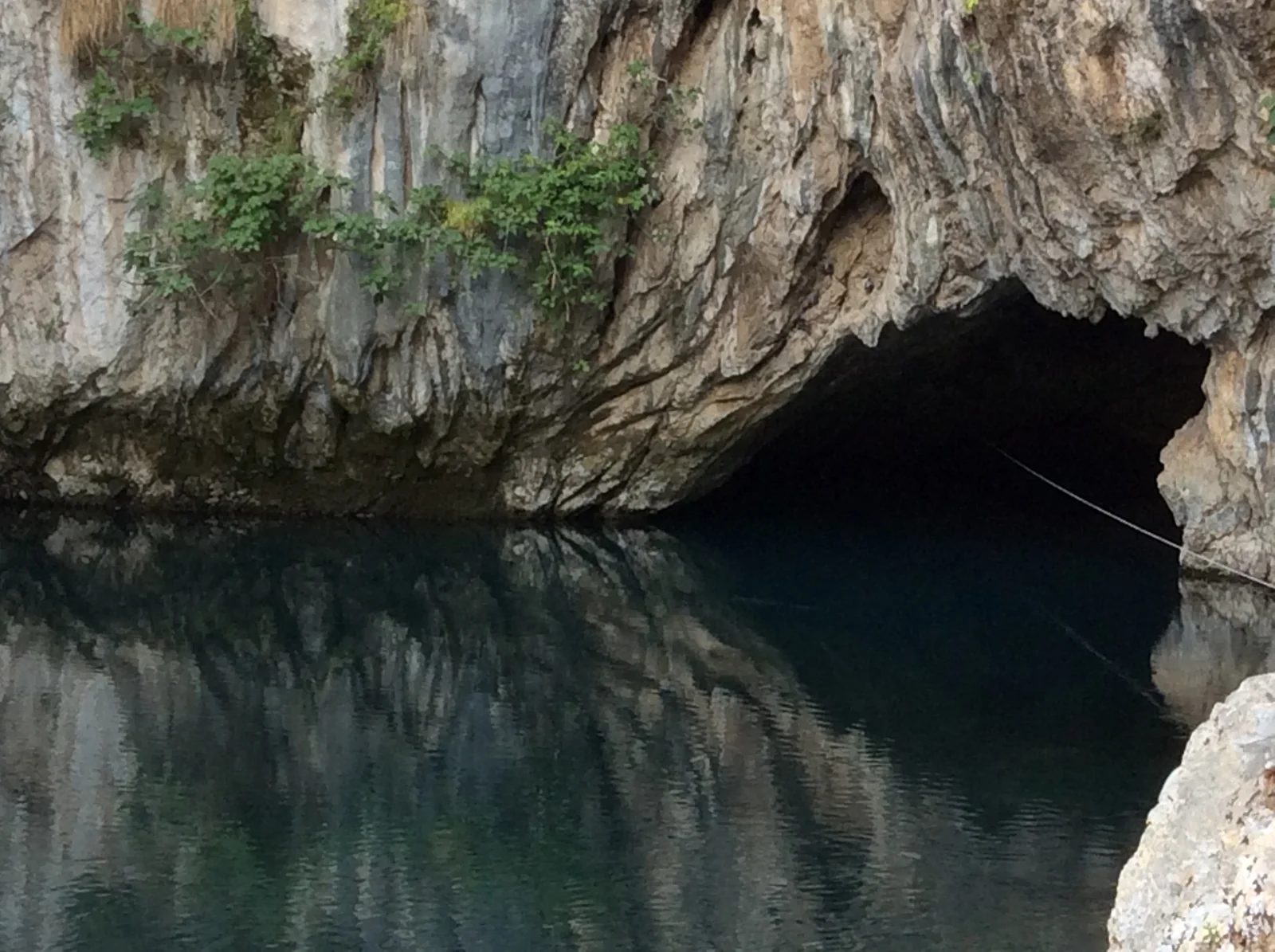
3. Midday (11:00–15:00) — worst light (harsh, overhead, creating flat textures and strong shadows in the cave) and the most crowds. Avoid if you care about the photos.
4. Overcast days — counterintuitively good. Soft even light lets the water details show clearly without harsh contrast. The cascade's turquoise colour is more saturated in overcast conditions.
Where to stand
Four main vantage points:
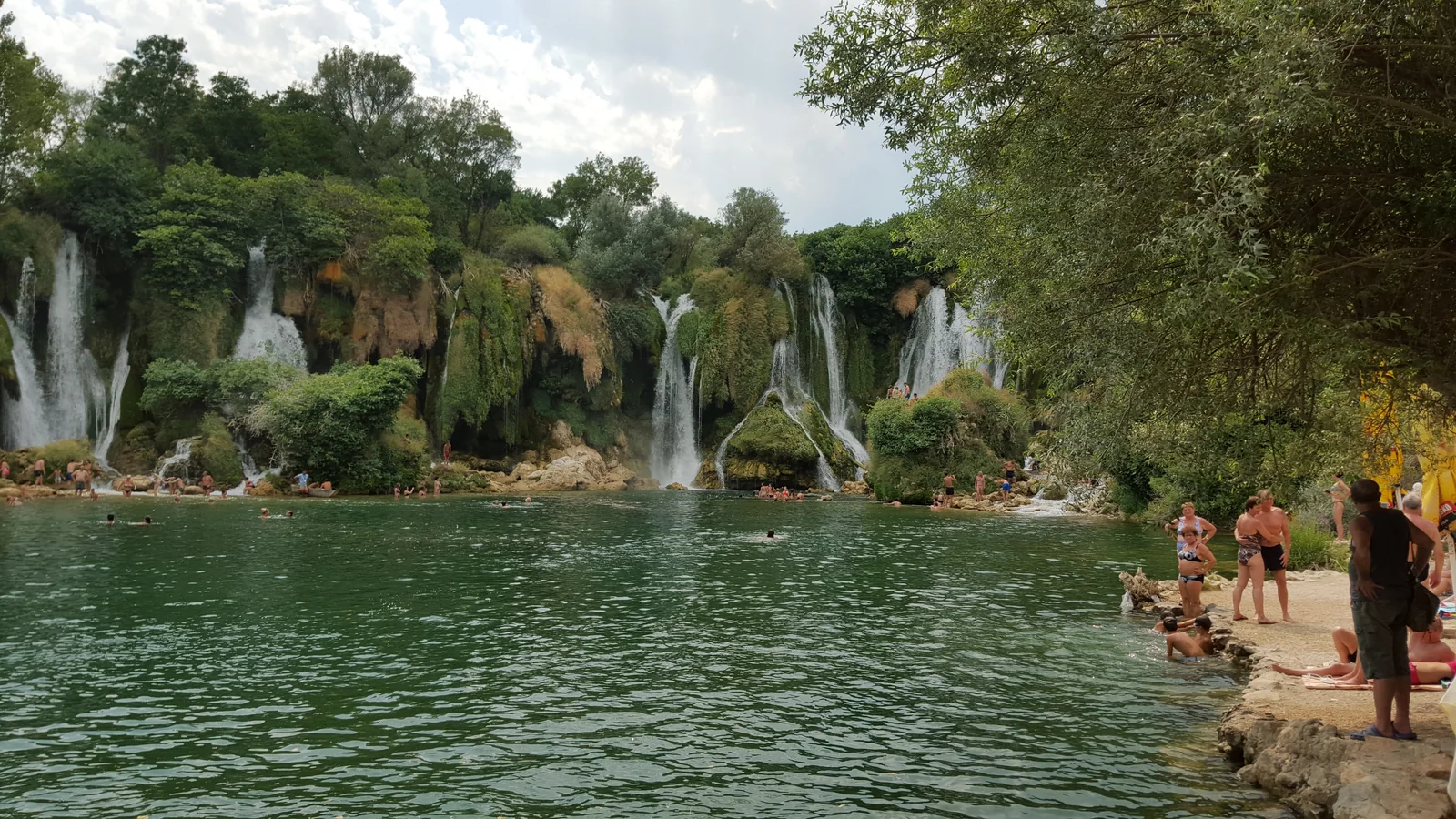
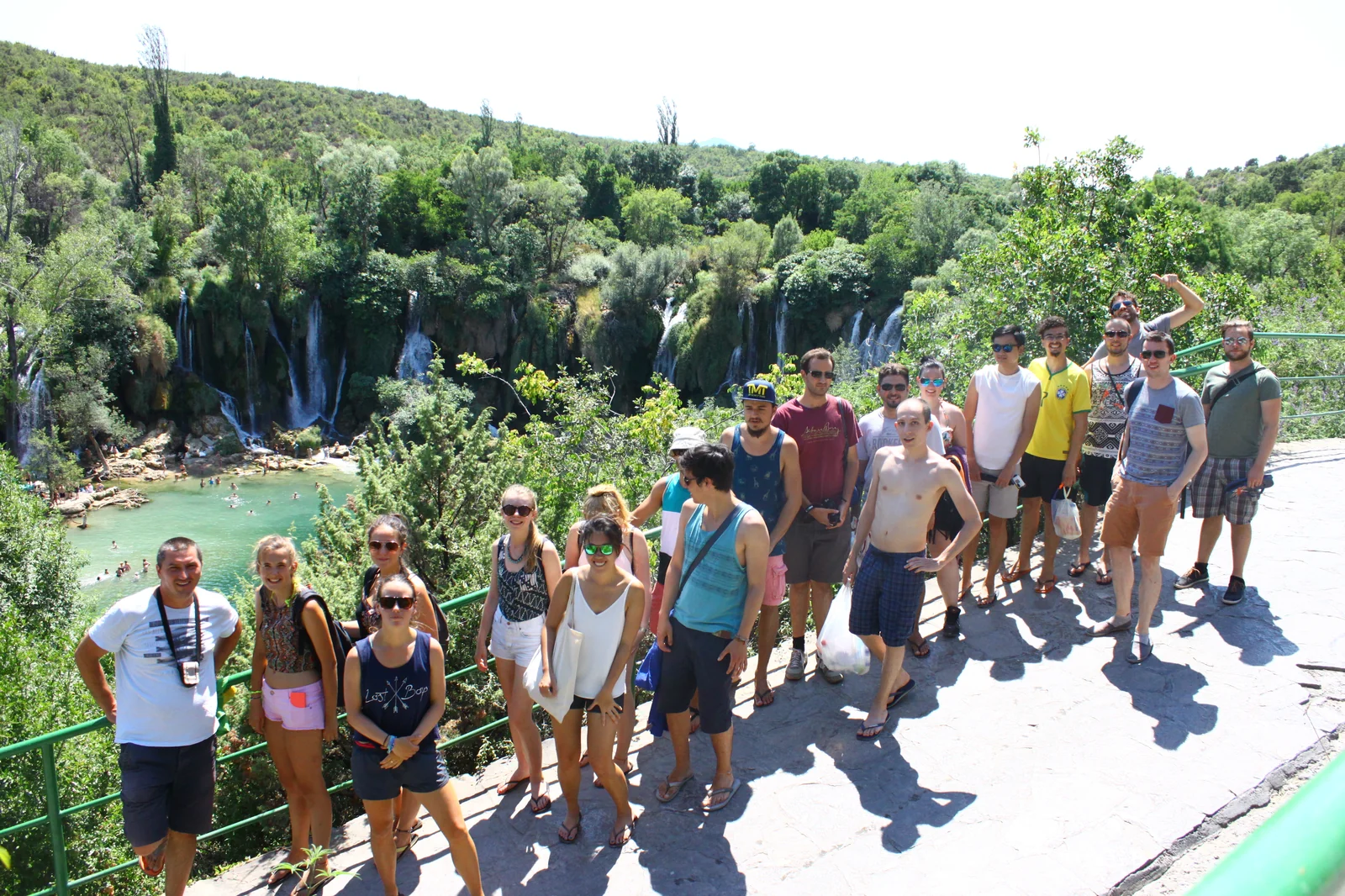
- The pool edge at the main viewing area (most common). Wide shot of the full horseshoe. Works with a phone or a 24–35mm lens. Best at sunrise or late afternoon.
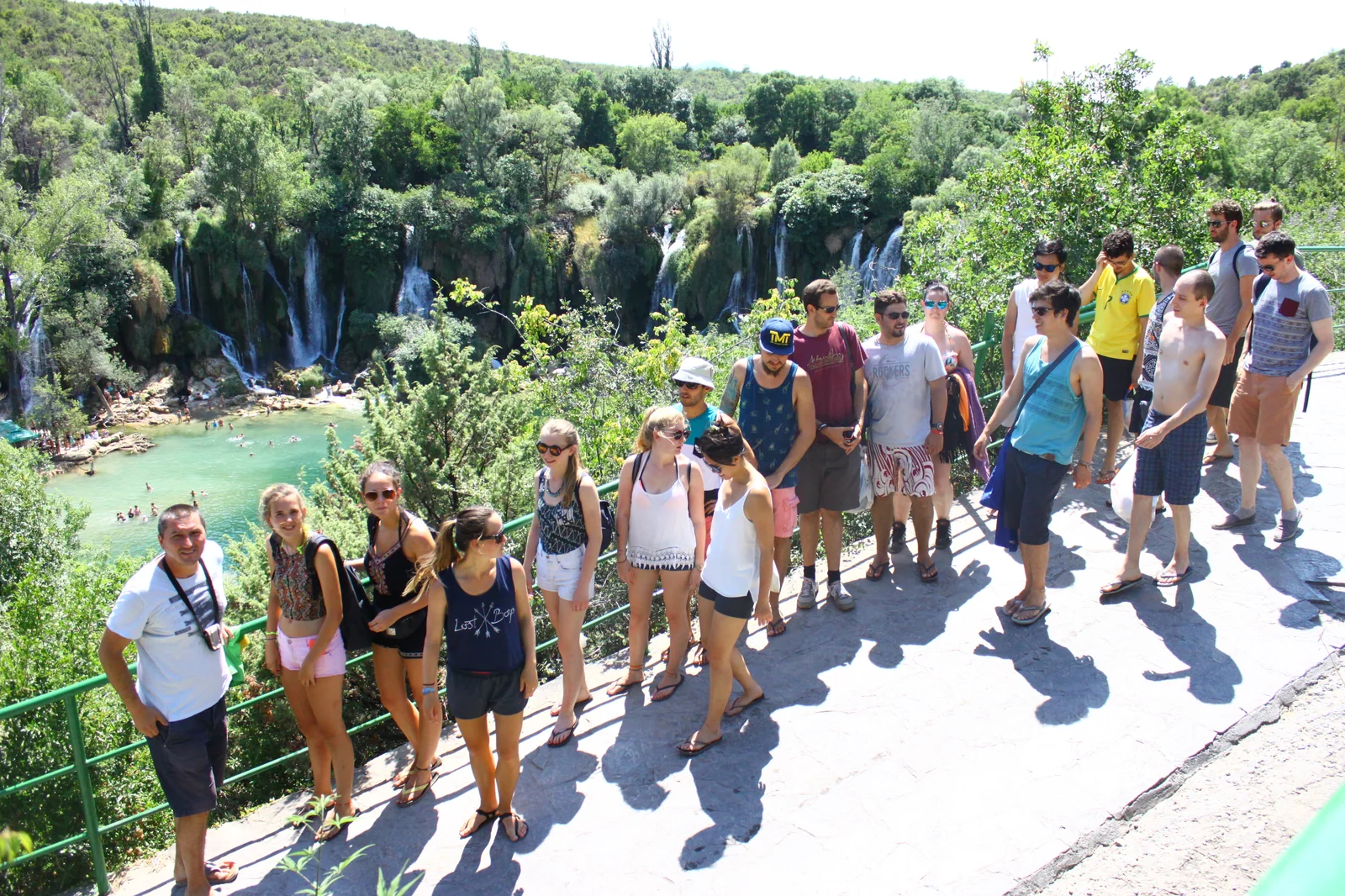
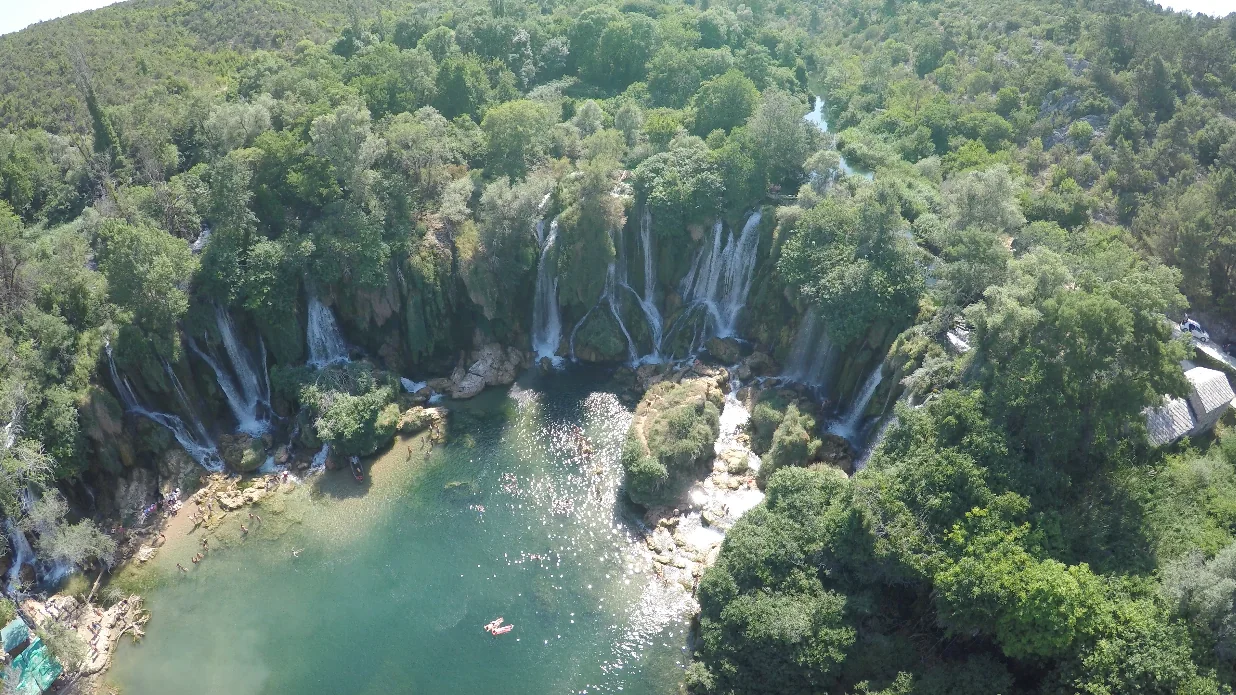
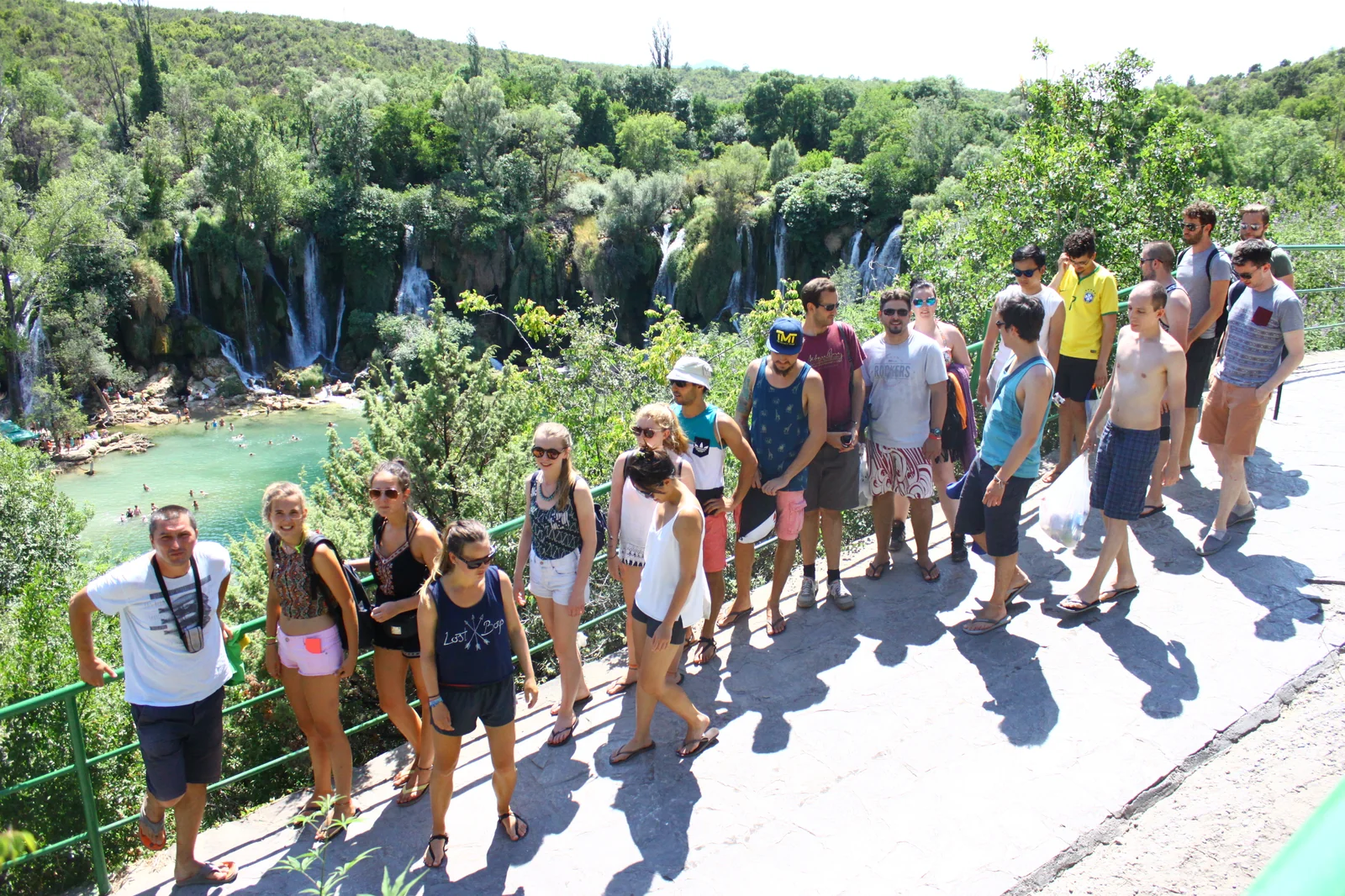
- The upper viewpoint above the cliff (short walk up from the main path). Elevated angle showing the horseshoe from above, with the pool and its swimmers framed below. Works with a 16–24mm ultrawide lens.
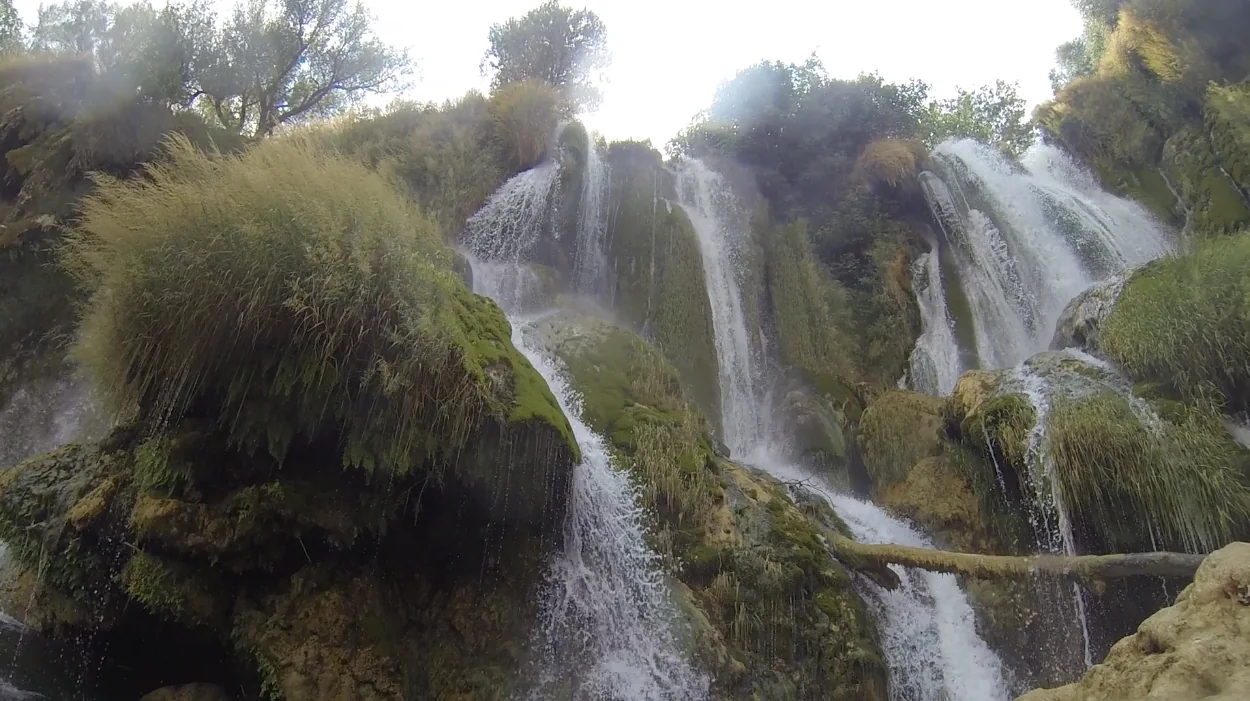
- The wooden boardwalk near the cascade face (right side as you face the falls). Close-up of water, moss, travertine textures. Works with a 50–85mm portrait lens.
- The far side of the pool (far less crowded). Symmetrical horseshoe view from across the water. Works with a 35–50mm lens. Requires a short walk around.
Gear recommendations
Minimum: a modern phone. The iPhone 13+ and Pixel 7+ all produce genuinely publishable Kravica shots.
Mid: a mirrorless camera with a 24–70mm zoom covers 95% of compositions.
Advanced: a polariser (cuts glare on the water and deepens the emerald colour), a tripod (for long-exposure silky-water shots — 1/4 to 1 second is the sweet spot), a 70–200mm tele for cascade-detail compressions.
Specific compositions that work
- The classic horseshoe wide (85% of published Kravica photos): stand at the main viewing area, place the cascade centrally, include some of the pool foreground. Best at golden hour with soft light.
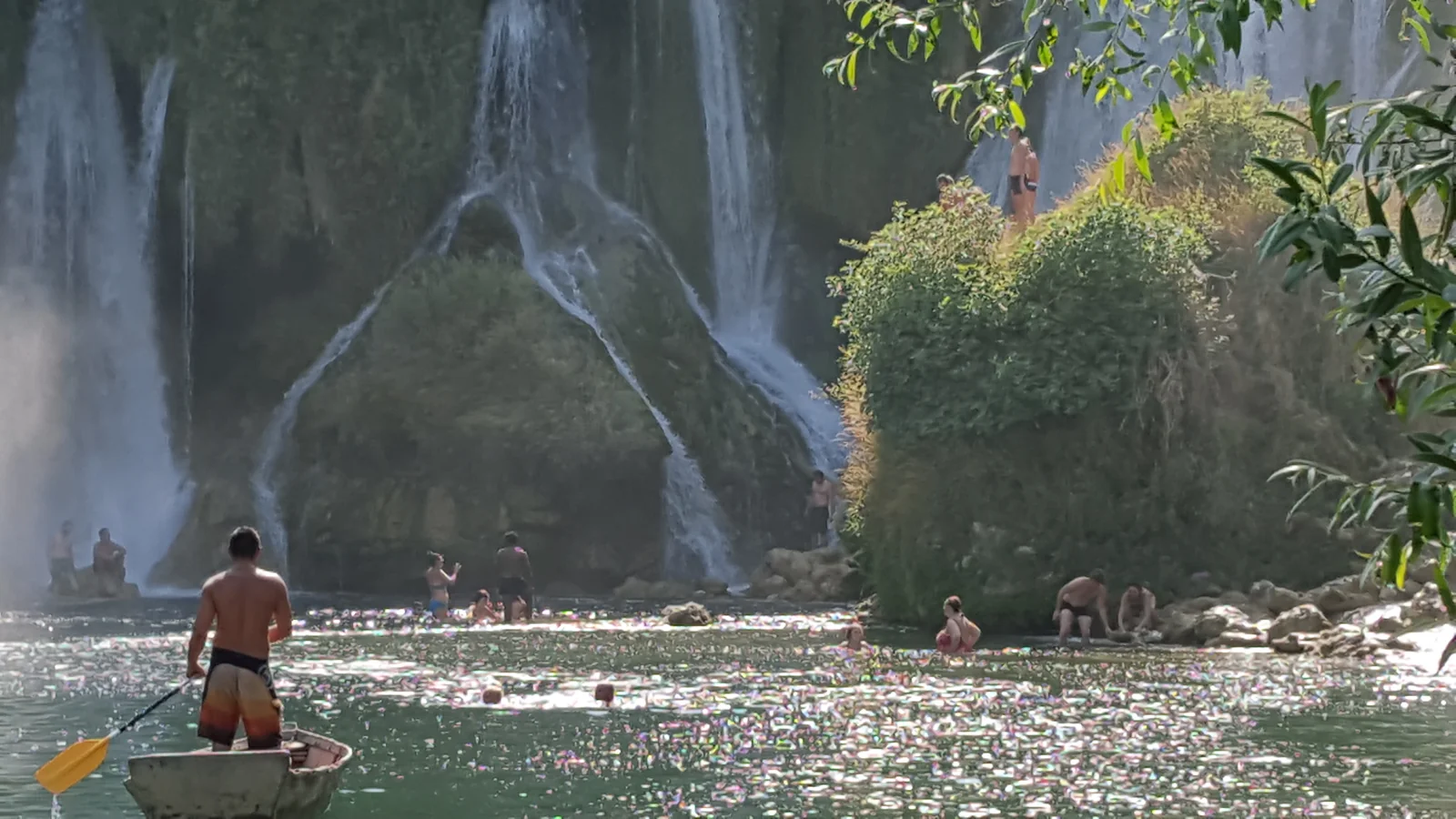
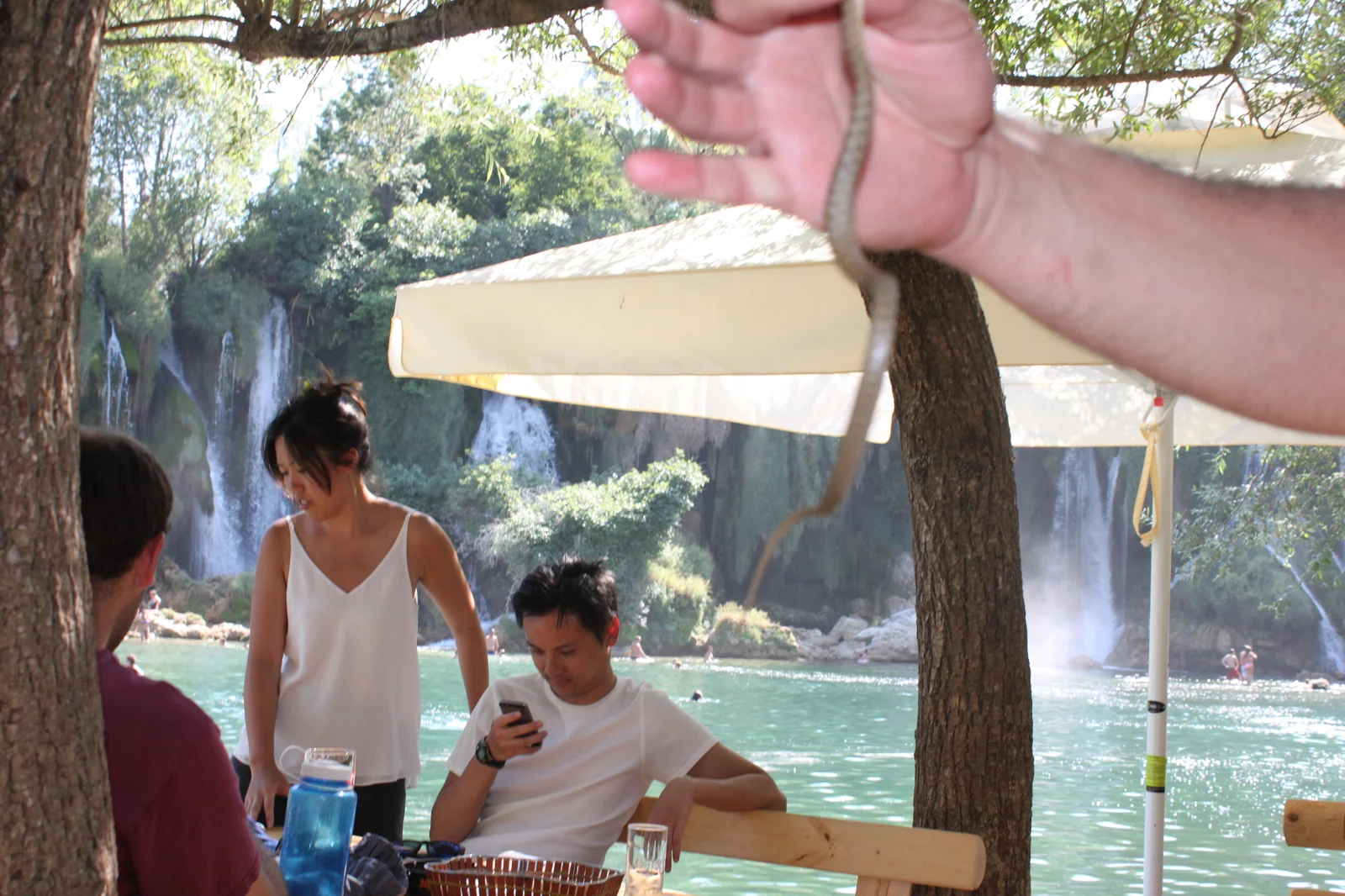
- The swimmer-scale shot: wait for a swimmer to be in the pool, use them for human scale against the cascade. Do this respectfully — don't photograph faces without permission.
- The travertine close-up: get close to the cascade face (right side of the main pool) and photograph the layered travertine rock and moss textures. Macro or 85mm lens works well.
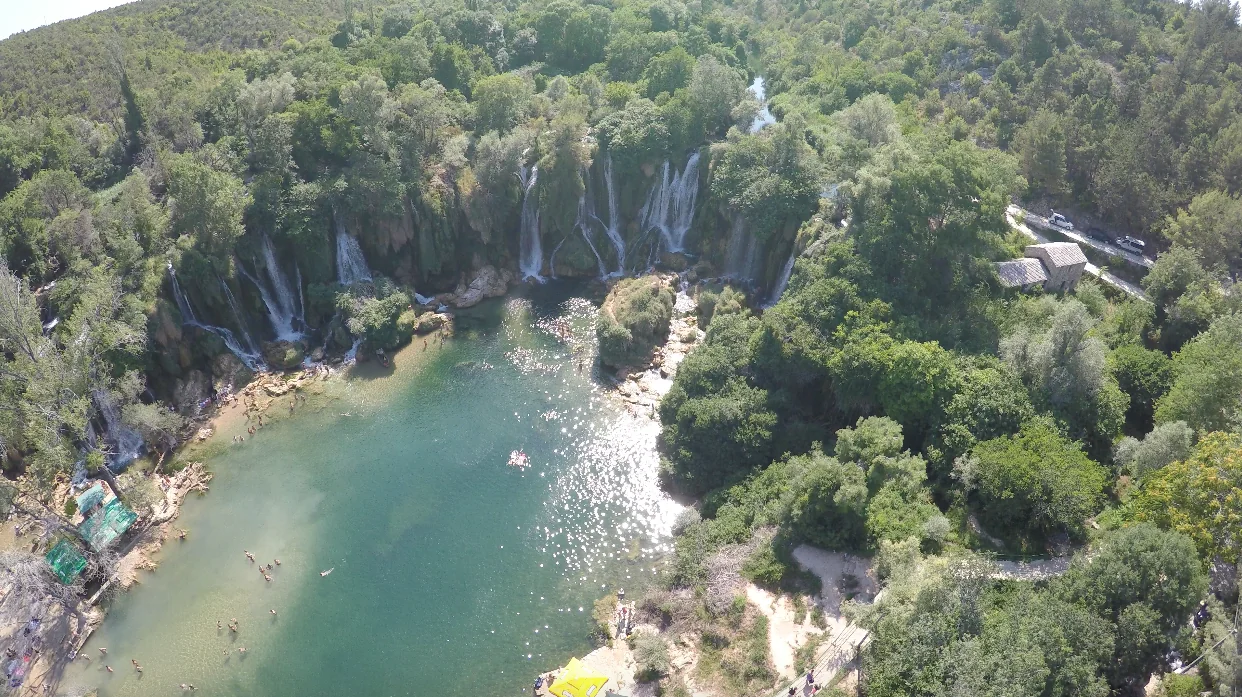
- The drone shot (if legal and your drone is registered — check BiH drone rules): directly overhead showing the horseshoe's full curve. Get permission from the park authority first.
- The silky water long exposure: tripod + polariser + 1/4-second exposure. The cascade becomes a silk curtain; works in moderate light only.
Practical timing
Our Mostar Half-Day tour arrives at Kravica around 11:00 — not the optimal photo window. If photography is your priority, consider:
1. The Mostar Private Driver tour (you choose your arrival time — aim for 08:30 arrival) 2. A rental car with an early start from Mostar (6:30 departure gets you there before the park gates) 3. Staying overnight in Ljubuški (10 km away) and arriving at the gate when it opens
Post-processing notes
Kravica's signature emerald-to-turquoise colour is real, not over-edited. In raw files, the water tends to shift slightly green; a small vibrance boost (10–20%) and a polariser in camera usually produce accurate colour without over-saturation.
Watch for blown highlights on the white water in the cascade centre — bracket exposures in camera or use graduated ND techniques if shooting into the sun.
Etiquette
- Don't use flash on swimmers (obvious but frequently violated). - Don't set up tripods during peak crowd hours on narrow walkways. - Ask permission before including identifiable strangers in close-up shots. - Don't climb on the cascade itself for selfies — it's dangerous and damages the travertine.
For booking a tour that arrives early enough for good photography, see Mostar Private Driver.
Photos from this route