Mostar is one of those cities where you can spend three days comfortably but usually get one. This itinerary assumes you arrive in the morning (train, bus, or tour) and leave in the evening, and focuses on seeing what actually matters rather than ticking every attraction off a list.
The core premise: don't try to do Kravica plus Mostar in a single day from a third base (Dubrovnik, Sarajevo, Split). That's a tour format, not a city visit. For one day focused on Mostar itself, stay in town or base from Mostar and cut Kravica for a second day (or skip it).
09:00 — Arrive and drop your bag. If you have luggage, leave it at your hotel, an Airbnb, or a bus-station luggage service (available at Mostar main bus terminal for a few euros). Walking the old town with a backpack is unpleasant in summer heat.
09:15 — Kajtaz House museum. Start with the 16th-century traditional Bosniak home — a compact 45-minute visit showing how middle-class Ottoman families lived. Entry is 5 KM (€2.50). Much less crowded than the bridge area. Quiet, historical, puts the old town in context.
10:15 — Koski Mehmed-paša Mosque. The most beautiful small mosque in Mostar, with a minaret climb for the best bridge view before the lunch crowds arrive. Entry is 10 KM (€5). Women should cover shoulders and knees; scarves are provided at the entrance.
11:00 — Stari Most walk-through. Cross the bridge slowly; stop halfway for the view. In summer, bridge divers perform between 10:00 and 16:00 — a quick €20–40 fee gets passed around before each dive.
11:30 — Kujundžiluk bazaar. The east-bank cobbled shopping street. Copper workshops, carpet shops, food stalls. Walk to the end (by the Crooked Bridge) and back. 30–45 minutes.
12:30 — Traditional lunch. Cross to the west bank for lunch — it's less tourist-priced than east bank. Recommended: Ćevabdžinica Hindin Han, Konoba Taurus, or similar family-run places. Order ćevapi or begova čorba. Budget €10–15 for a full lunch with drink.
14:00 — Walk west bank. Cross back via Crooked Bridge. Visit the Karađoz-beg Mosque (1557) and walk through the less-touristy west-bank alleys. Picturesque without the crowds.
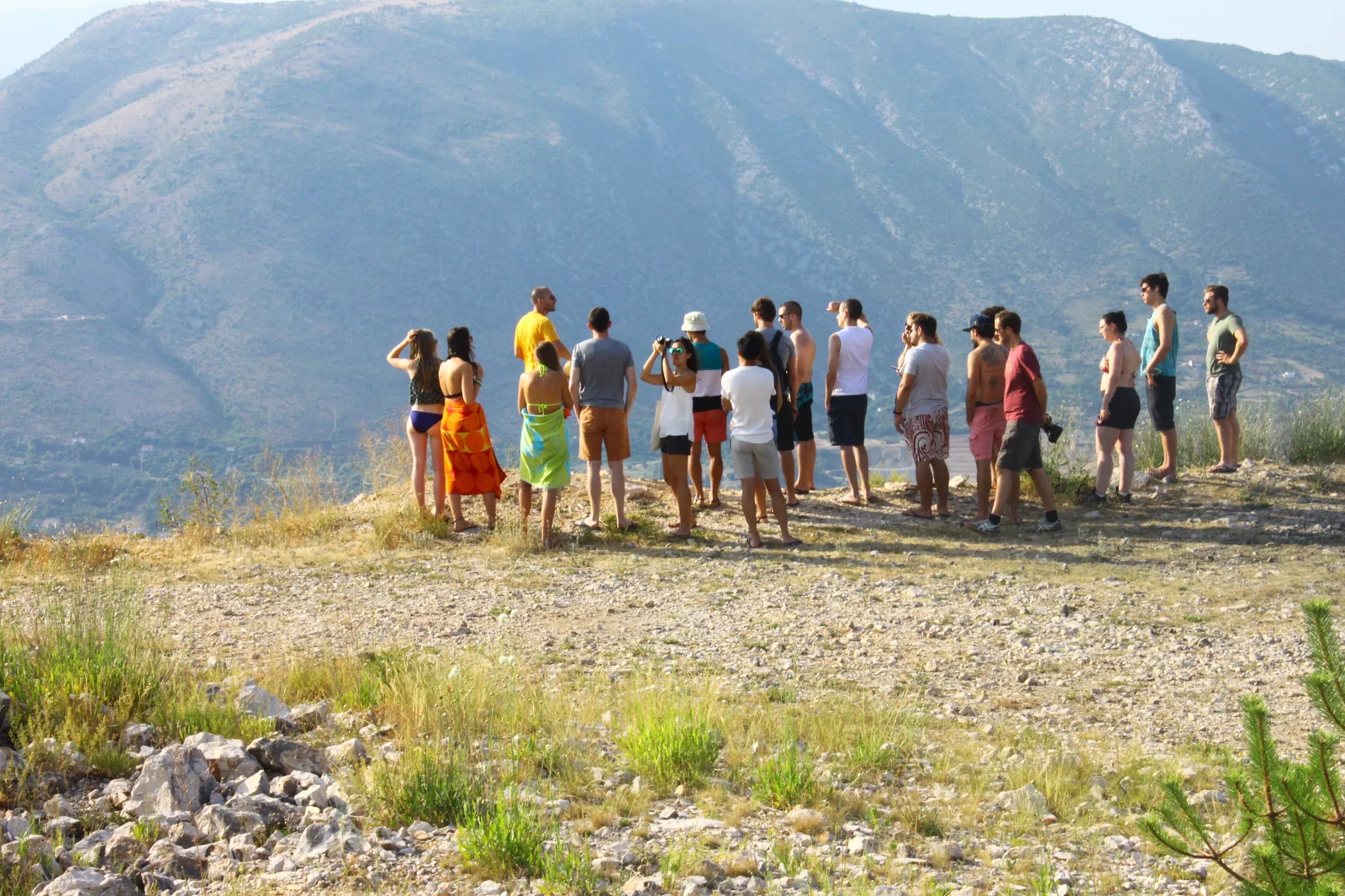
15:00 — Fortica Sky Walk. Taxi or car up to Fortica for the widest view of the old town from above — the glass-floored viewing platform opened in 2023. Small entrance fee (~10 KM / €5). Stay 30–45 minutes; the sunset view is especially good.
16:00 — Afternoon coffee or drink. Back in town, stop at a Neretva-riverbank café. Coffee costs 2–4 KM. This is the most relaxing break of the day.
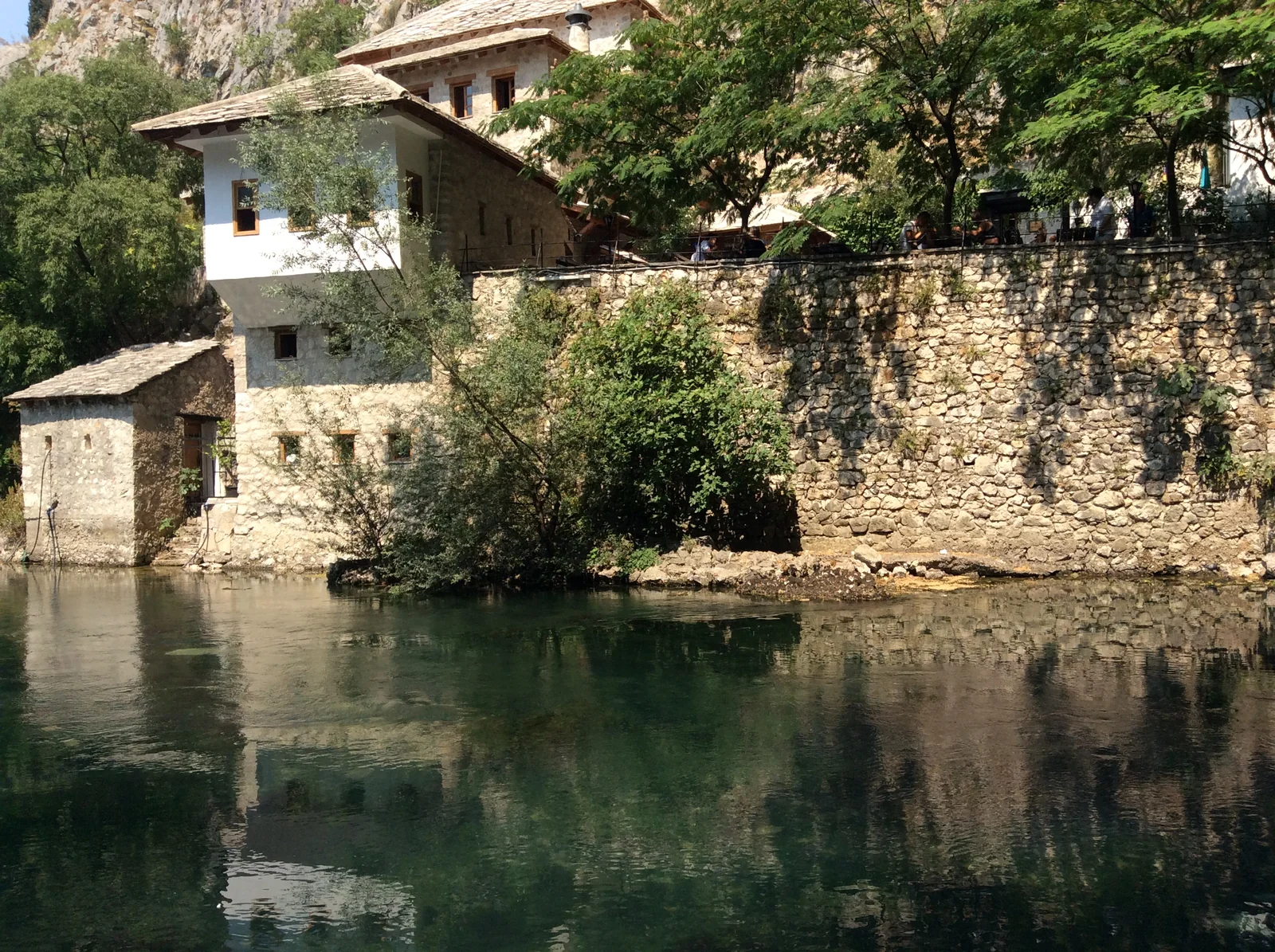
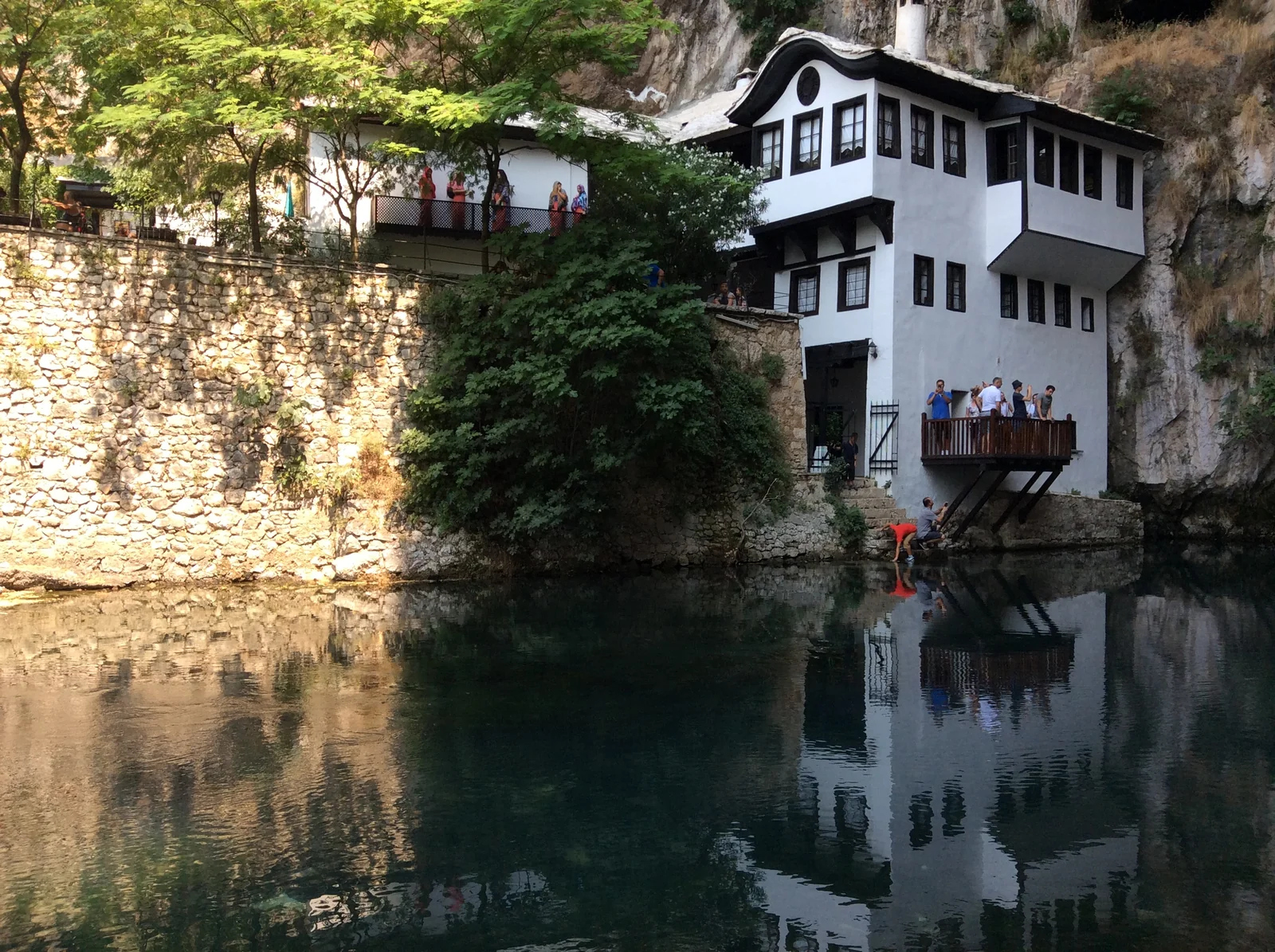
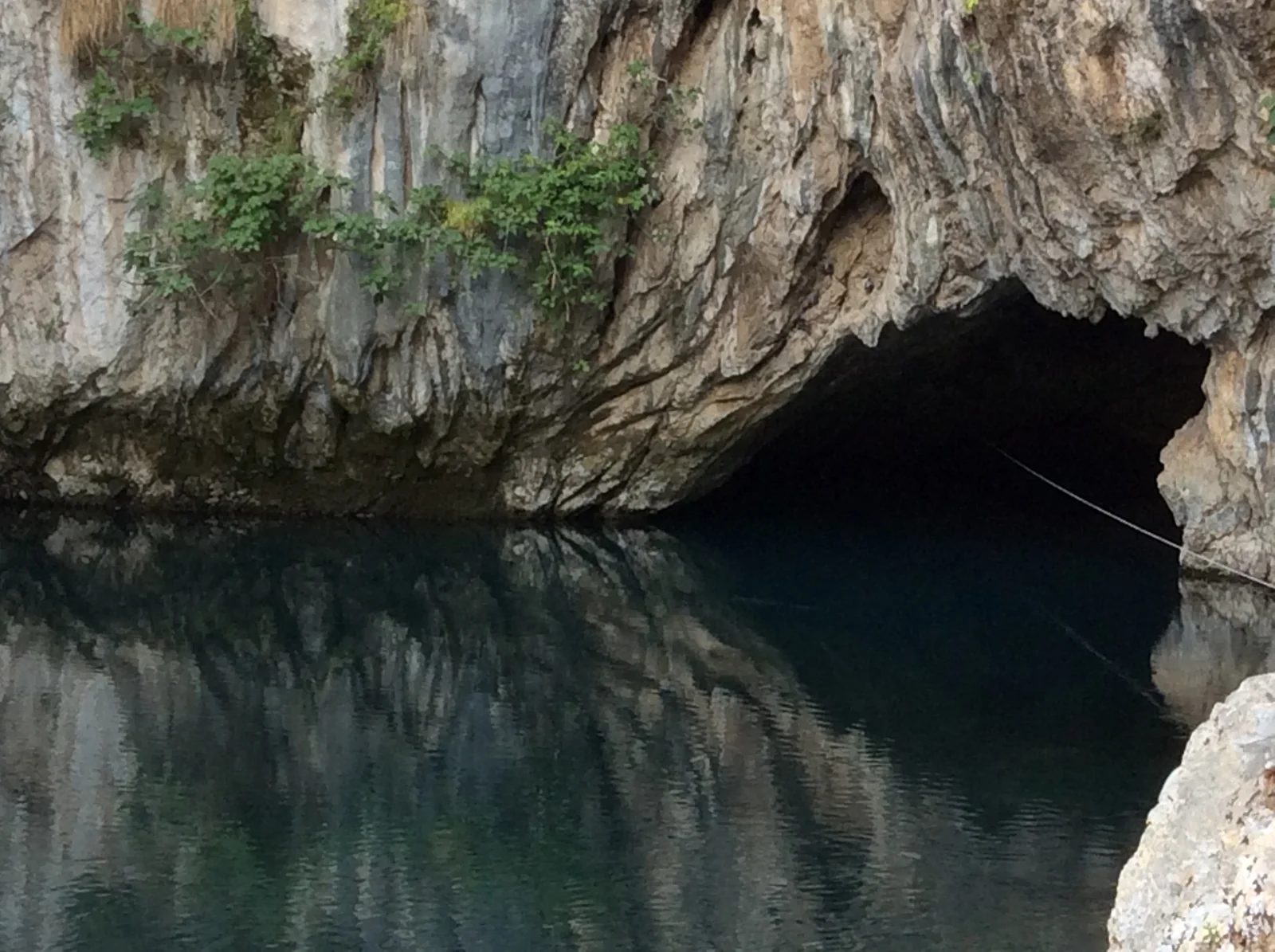
17:00 — Optional: Blagaj Tekija half-trip. If you have extra time and a car/driver, Blagaj is 12 km away and 45 minutes round trip. See the dervish monastery and Buna spring. Get back to Mostar by 18:30.
18:30 — Dinner. Traditional Bosnian dinner on the Neretva. Try lamb ispod sača (slow-cooked under a bell) at a place that takes reservations.
20:00 onward — Departure or night in town. If you're on a day trip, catch the evening train or bus back. If you're staying overnight, walk the old town after dark — the lit-up bridge is genuinely magical.
What to skip on a one-day trip: the War Photo Exhibition (important but emotionally heavy — better if you have two days), the Turkish House museums (similar to Kajtaz but you only need one), and the new ethnographic museum (interesting but optional).
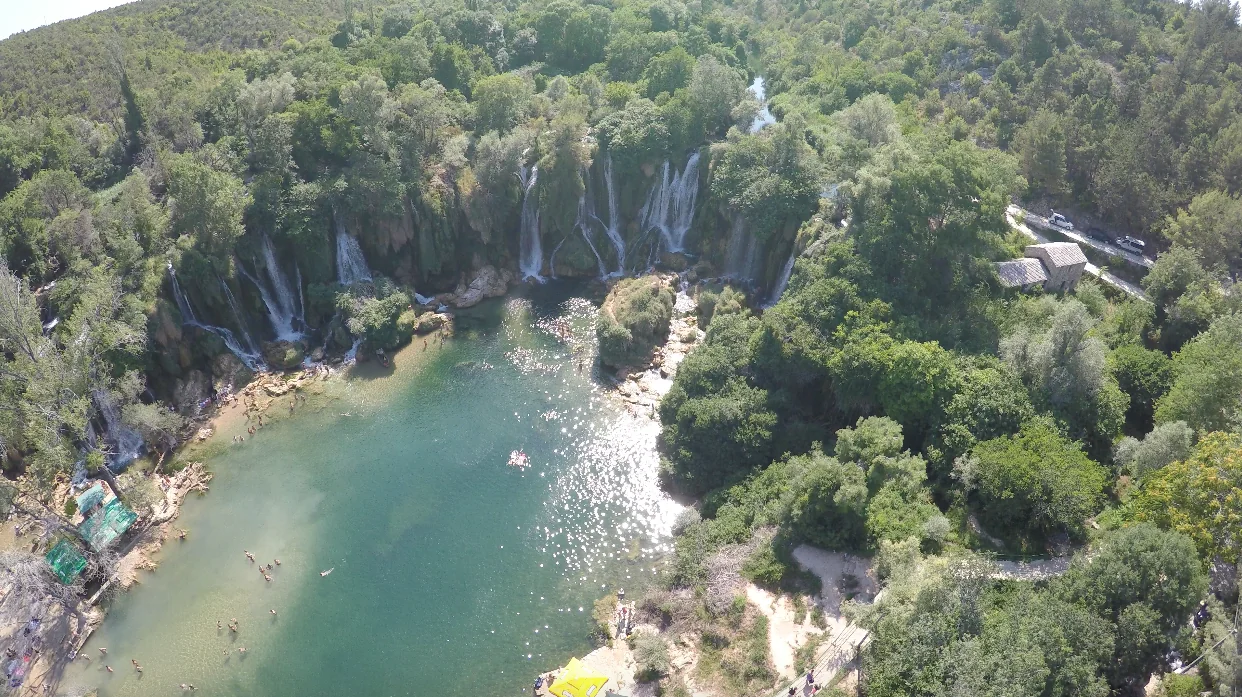
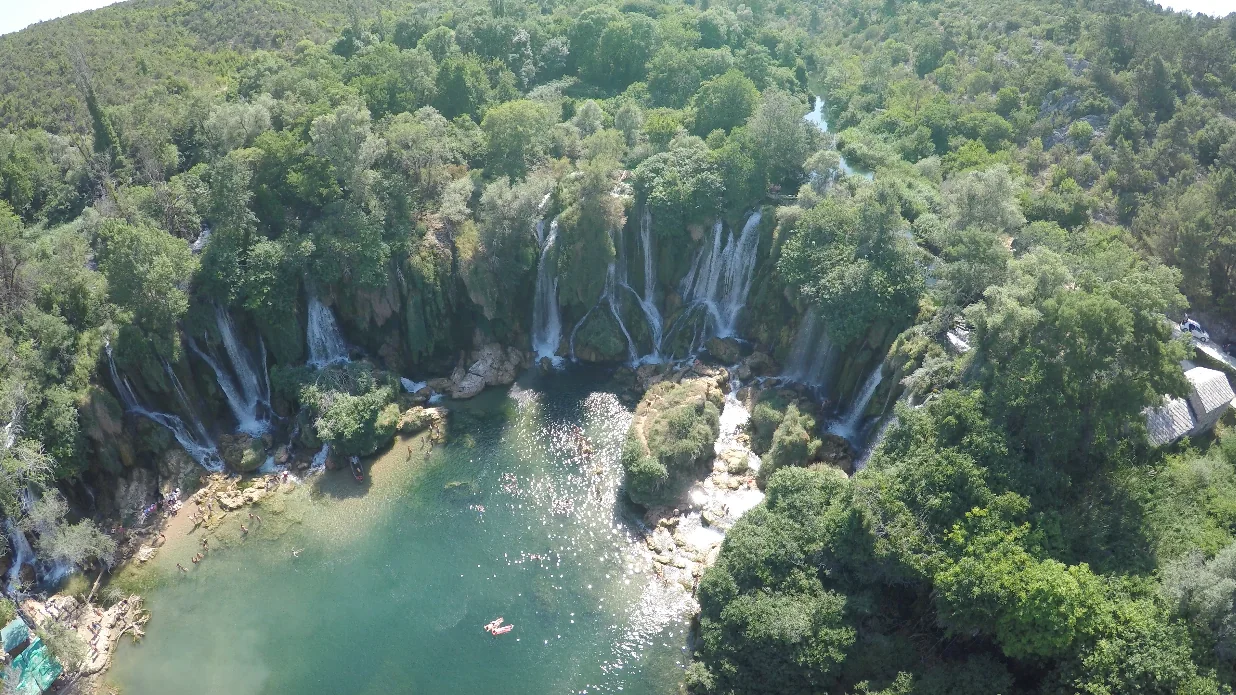
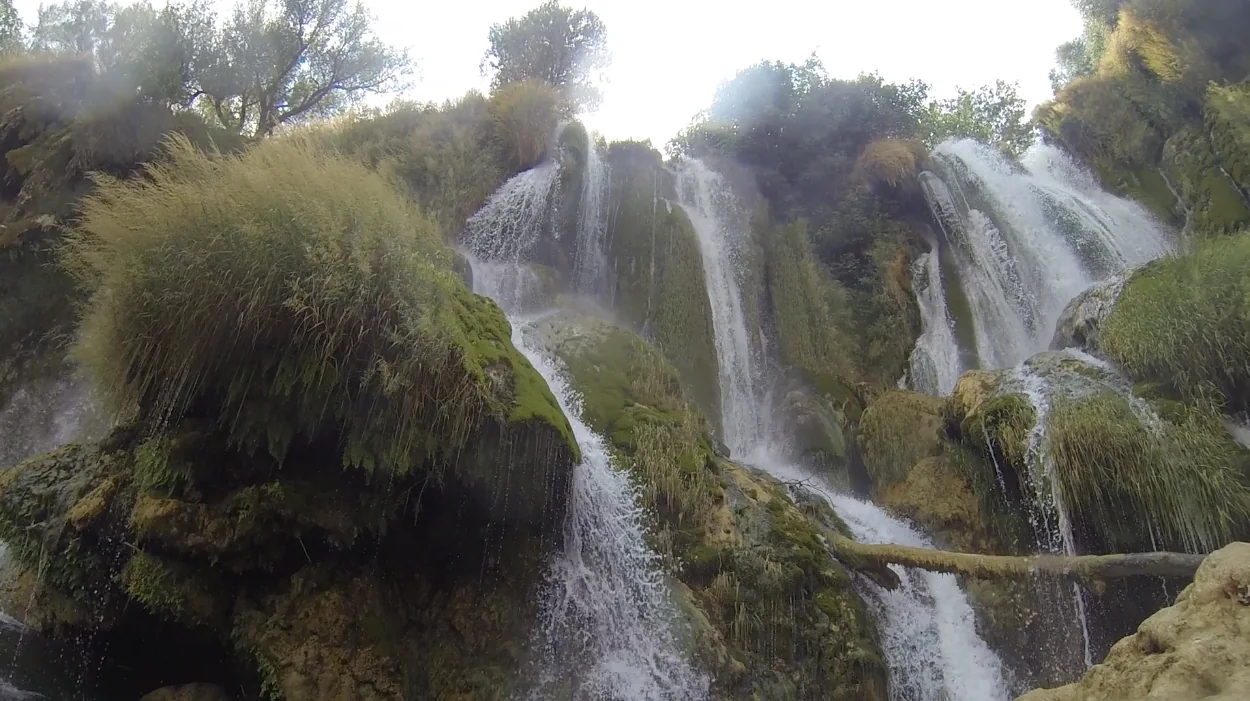
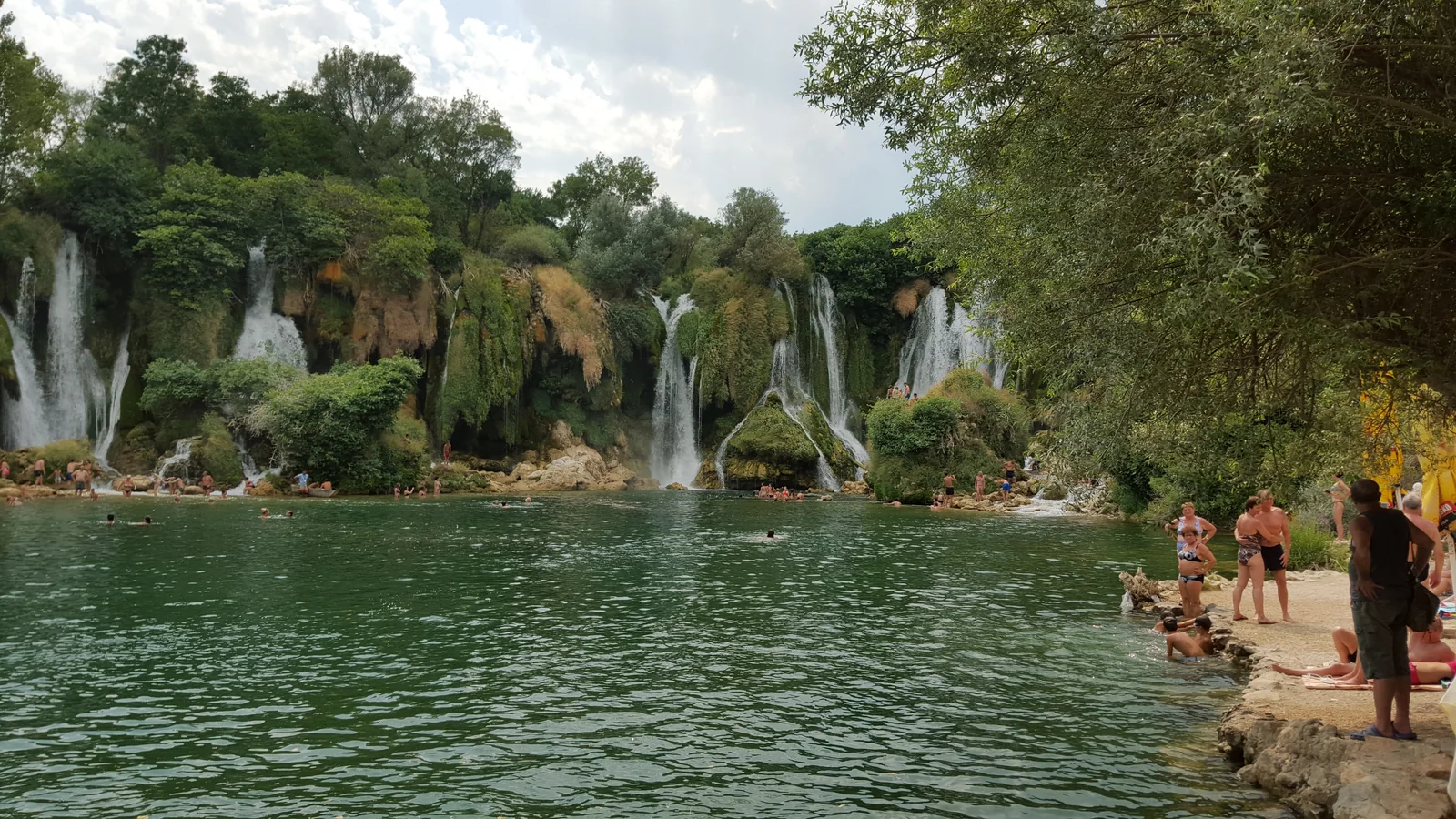
If you have 2 days: spend the second day on Kravica Waterfall (40 km south, a proper half-day tour including Bunski Kanali and Počitelj). See our Mostar half-day tour — €35 per person, 09:45 pickup at Food House Mostar.
Practical notes: the old town is pedestrianised; cars park on the perimeter. Most attractions accept card but bring some Bosnian marks (KM) or euros in cash for small vendors, entrance fees, and tips. English is widely spoken in the tourist zone. The best Mostar photos happen in the first hour after sunrise and the last hour before sunset.
Photos from this route